Description
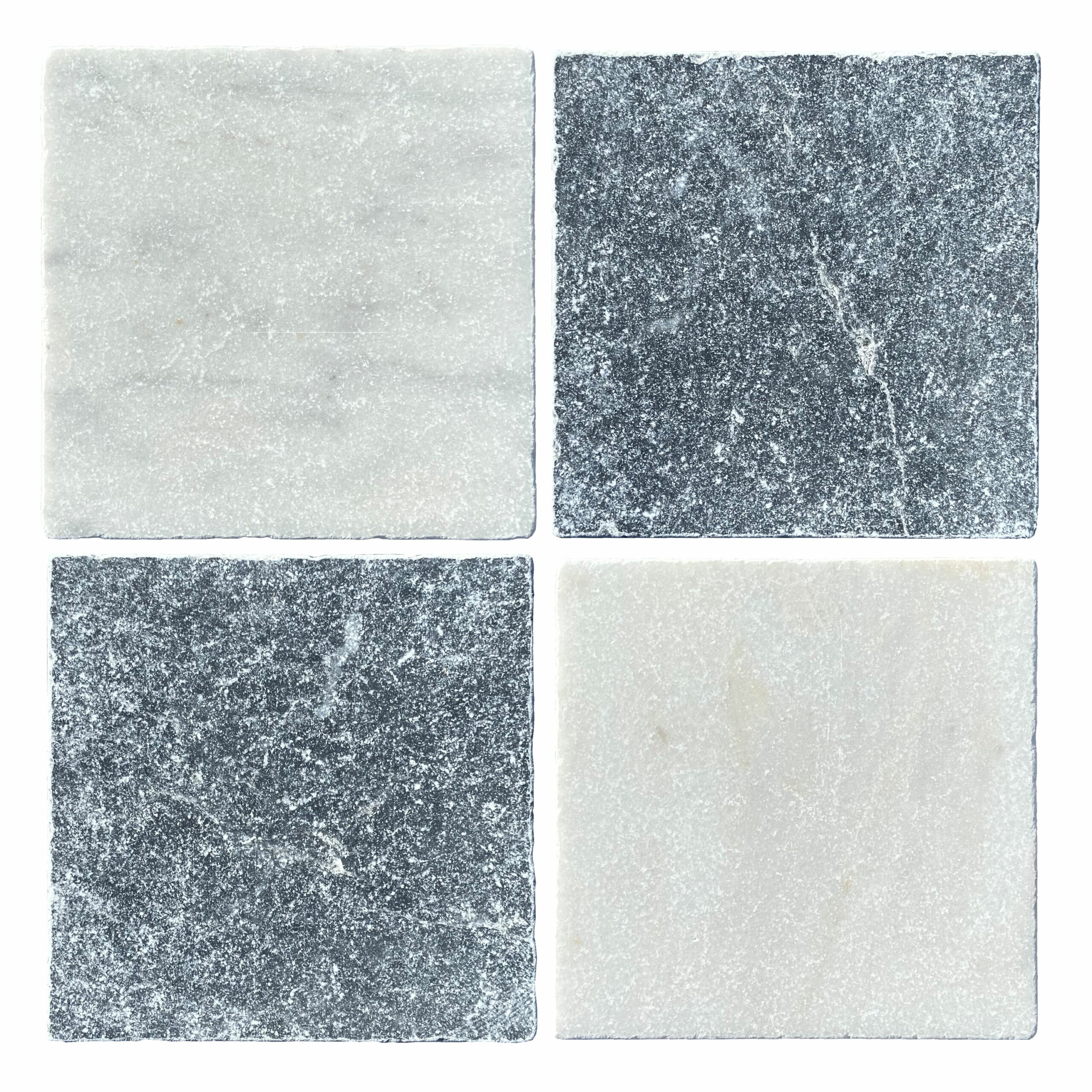
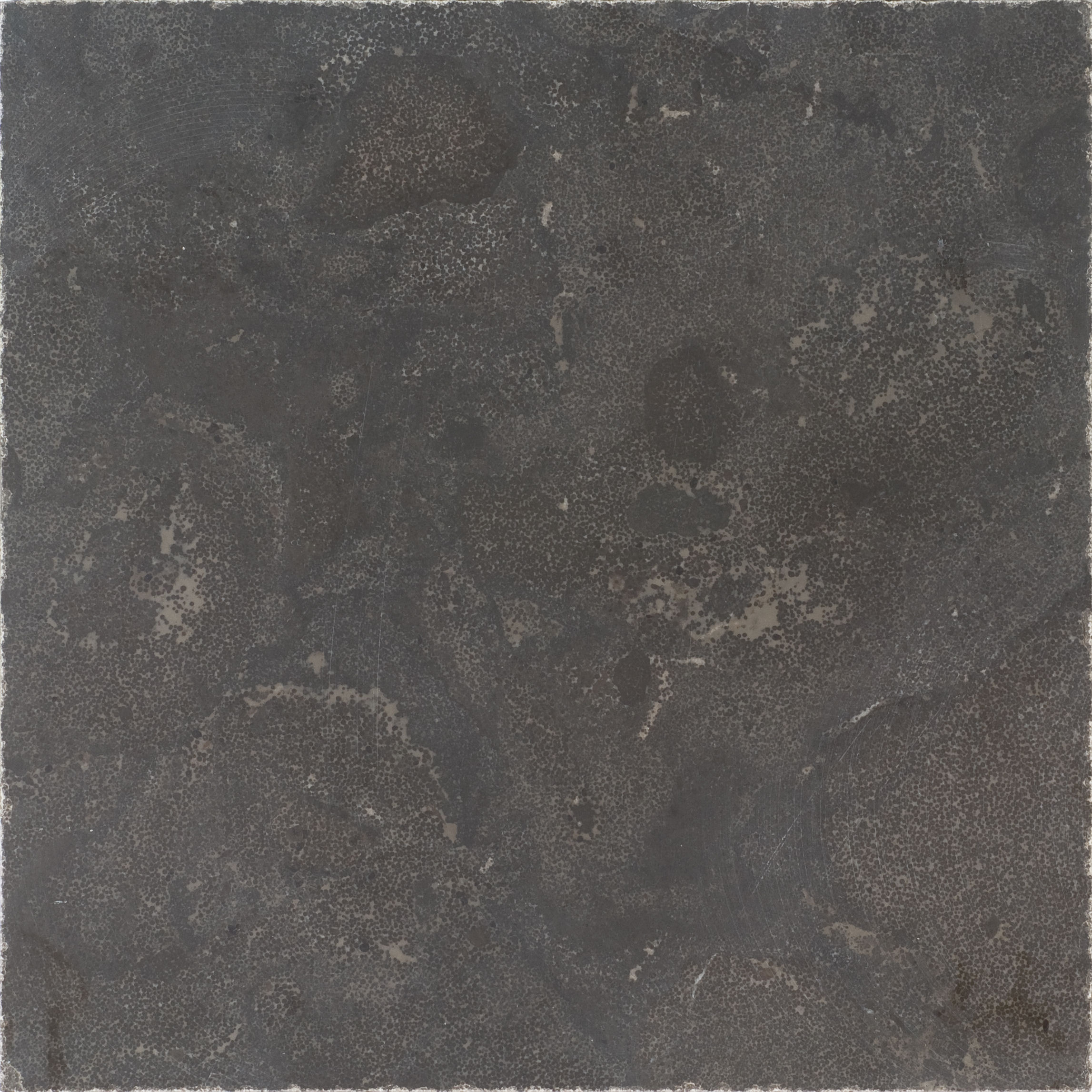
When using outdoor limestone tiles, either leave to weather naturally or seal with Fila Mp90 Eco Xtreme . This will protect the stone and delay the effects of weathering.
Proper ground preparation is essential for the successful installation of stone flagstones or cobbles, and it depends on both the intended use of the paved area and the specific site conditions.
- Clearance Below Damp-Proof Course
It is crucial to ensure that the paving or cobbling is installed at least 150mm below the dampproof course (DPC) of any building. Additionally, a gradient of 1:60 should be maintained to create a ‘fall’ that ensures water drains away from the building, preventing water ingress.
- Stabilising Layer
A stabilising layer, typically 100mm of scalping or crushed hardcore, should be laid down to create a solid foundation. This is followed by a 30-40mm sand bed, which should be compacted using a vibrating plate compactor to provide a stable base.
- Laying the Perimeter Tiles
The perimeter tiles should be bedded in wet mortar to firmly anchor them in place and prevent any potential ‘spread’ during installation. This ensures the outer edges are stable before filling in the central area.
- Bedding the Remaining Tiles
For the remaining tiles, a semi-dry or dry 4:1 sand/cement mix can be used for bedding, depending on the thickness of the stone. The right mix ensures secure adhesion to the substrate while allowing flexibility for the stone’s natural movement.
- Considerations for Stone Type and Porosity
The porosity and shade of the stone must always be considered during installation. For example, lighter-coloured stones should not be laid with a wet mix, as pigments from the cement can bleed into the stone and cause permanent stains.
- Suitable Substrate for External Stone Tiles
The prepared substrate will support exterior stone tiles of 20mm thickness or above. It is essential to verify that the material is suitable for exterior use. For thinner tiles, including many porcelain options, they can be laid on a concrete slab with adhesive and grout, following the same procedures used for internal applications. The concrete slab must be designed and installed according to relevant standards for external applications.
- Grouting and Jointing
After the tiles are fixed, the grout gaps can be filled with sharp or pit sand, which should be brushed into the dry joints to finish the installation.